
Current Status
Not Enrolled
Enroll in this workshop to get access
Price
Free
Get Started
Wound Management
Situational Awareness
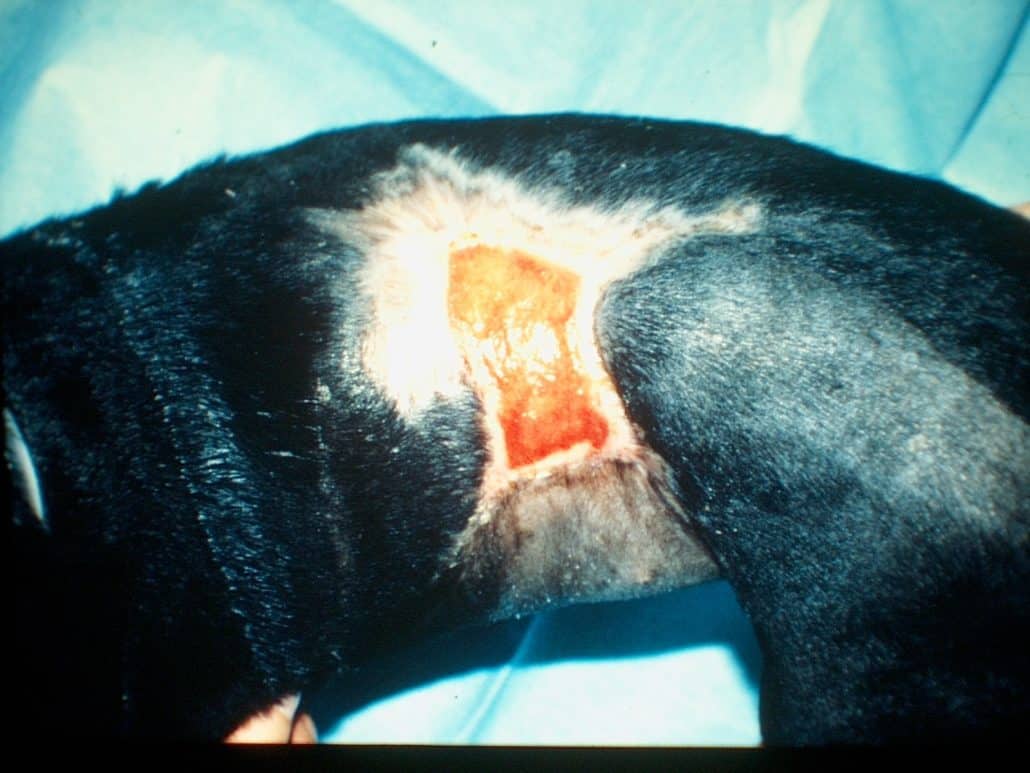
Wounds are among the most common clinical challenges faced in practice. From bite injuries and lacerations to degloving and crushing trauma, each case presents unique considerations.
Successful wound treatment depends on understanding the goals of managing a wound as they pertain the the body’s natural wound healing process. Coupled with this, one must also be comfortable with the decisions making process about closure timing and technique.
$295
Prepare to perform wound management.
All the information you need.
Fully narrated surgical videos.
In depth guide and more.
Wound Management Considerations
- Assess the patient first, then the wound. Of course any life threatening issues caused by the original trauma take precedence over the wound itself.
- Identify the stage of healing the wound is in at presentation and assist the body in healing process by ensuring that the wound is properly cleaned and that the blood supply is preserved.
- Patient Factors: Decide if the wound, patient and client will be better served by closing the wound primarily at this presentation; after the wound has completed the primary stage of healing or if second intention healing should be considered.
Key Points
- Cleaning & Preparation
- Always begin by clipping the hair around the wound in order to properly assess the wound as well help keep the wound clean.
- Lavage the wound with copious amounts of saline or water. Saline is best but may not be efficient of cost effective in large, dirty wounds.
- Debridement
- If necessary, debride the wound to remove debris, dead and dying tissues. However, if you are uncertain of the health status of the tissue, then leave it in situ and monitor.
- Bandaging techniques using appropriate contact layers can also help with the debridement process.
- Dressings & Bandages
- Ensure that the appropriate contact layer has been selected for the wound.
- The padding layer can also be altered to accommodate exudate and to help preserve blood supply and manage swelling.
- Compressive and protective layers are applied as usual.
- Closure Decisions
- It is best to close a wound primarily if at all possible as this will accelerate the healing which will result in happier patient and happier client.
- However, if the conditions of the wound are not favourable for closure then it is best not to wait otherwise the odds of dehiscence an be very high. Dehiscence effectively in further delayed wound healing and added costs both financially and emotionally.
- Wounds that typically do not lend themselves to a primary closure include, crushing and burn wounds. Large and complex wounds often require planning and therefore maybe better postponed for a day of so.
- Penetrating wounds, especially bite wounds, can at times be difficult to manage and the decision process more complicated. This type of wound is given particular attention in this workshop.
- Drainage
- Drains are commonly used in wound management.
- Passive drains such as the Penrose drain are inexpensive and easy to use while active or vacuum drains are often more efficient.
Prepare to perform wound management
What you get when you register:
- An understanding of the wound healing process as well as the anatomy of the skin in order to help make better decisions when atreating a wound.
- A structured, step-by-step approach to wound assessment and decision-making.
- Guidance for lavage, debridement, drain placement, and bandaging.
- Practical tips for handling penetrating traumas such as bite wounds.
- 3 hours of Continuing Education Time.
Workshop Content
Part 1: The Fundamentals about Wounds
What you need to know about wounds (30 min)
You don't currently have access to this content
Managing the Wound (30 min)
1 Quiz
You don't currently have access to this content
Part 2: Drains
Drains for Wound Management. (54 min)
1 Quiz
You don't currently have access to this content
Part 3: The Surgical Side of Wound Management
To Close a Wound or not. (28 min)
You don't currently have access to this content
Penetrating/Bite Wounds (17 min)
1 Quiz
You don't currently have access to this content